Heating Systems Built to Last Through Winter
Boiler Installation & Repair in the Pagosa Springs area for homes with uneven heat, pressure drops, or ignition failures
JC Plumbing & Boiler Solutions installs and repairs residential boiler systems for homes throughout Pagosa Springs, Bayfield, Arboles, and surrounding areas. When your boiler fails to ignite on a cold morning or certain rooms never reach the set temperature, the problem often traces back to circulation issues, pressure imbalances, or aging components that no longer function reliably. Proper sizing during installation determines whether your system runs efficiently or cycles on and off constantly while driving up fuel costs.
Boiler repair addresses leaks around fittings and valves, pressure fluctuations that prevent proper circulation, ignition system failures that leave you without heat, and performance issues that result in uneven heating across your home. New installations require careful load calculations based on your home's square footage, insulation quality, and heating distribution method to ensure the system delivers consistent warmth without oversizing or undersizing the equipment.
Schedule a system evaluation to determine whether repair or replacement offers the better long-term value for your home.
What Proper Installation and Repair Accomplish
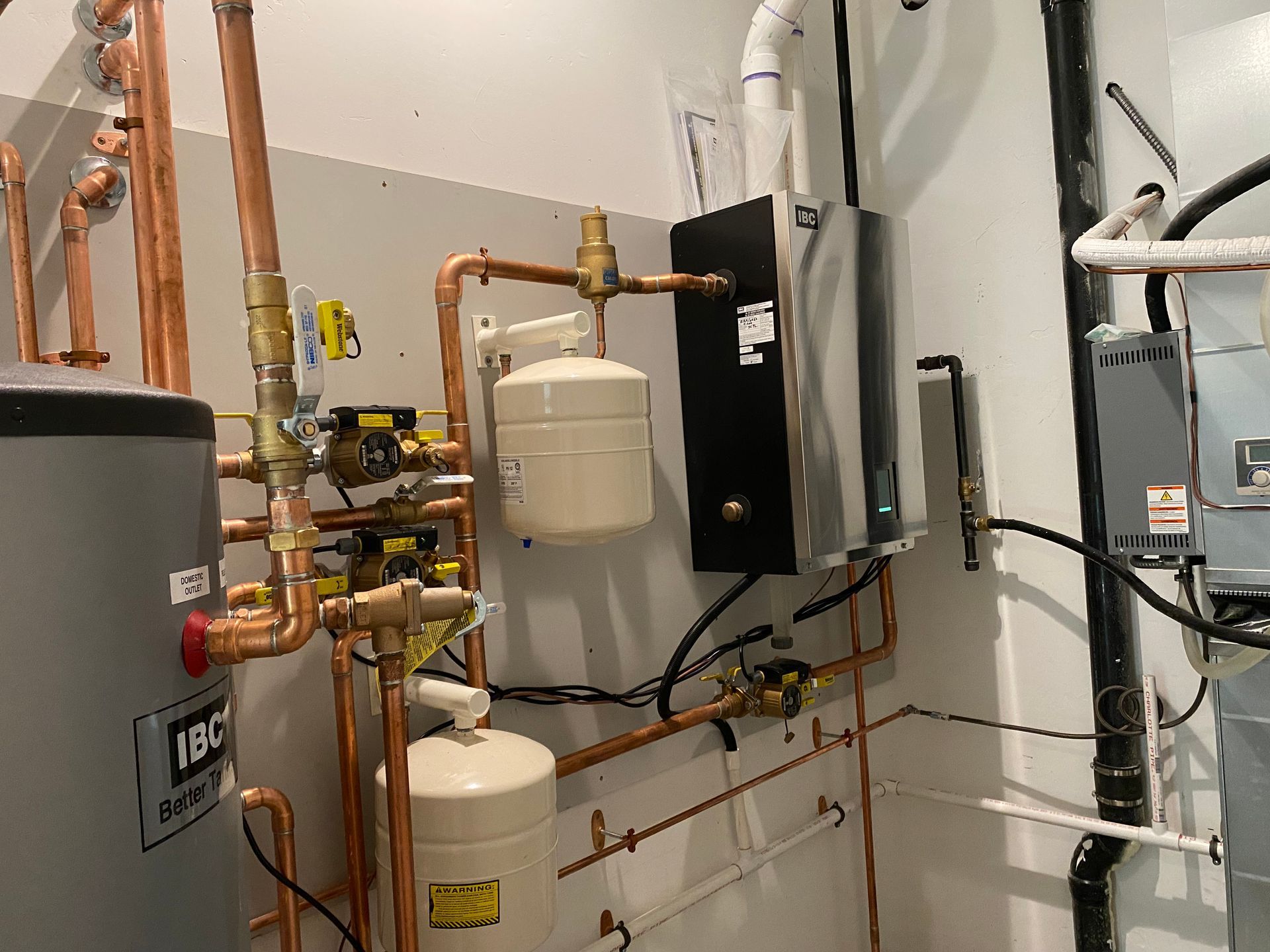
Installation begins with calculating your home's actual heat load rather than guessing based on the old unit's capacity. Oversized boilers short-cycle and waste fuel, while undersized systems run continuously without maintaining comfort. The installation process includes setting the boiler level, connecting supply and return lines with proper slope for circulation, installing expansion tanks sized to the system volume, and pressure-testing all connections before firing the unit.
After installation or repair, your system maintains steady pressure throughout the heating cycle, radiators or baseboard units heat evenly from top to bottom, and the boiler fires only as needed to maintain temperature rather than cycling erratically. You'll notice consistent warmth in all zones, no cold spots near windows or exterior walls, and lower fuel consumption compared to an improperly sized or malfunctioning system.
Repair work includes bleeding air from the system to restore circulation, replacing faulty pressure relief valves that prevent dangerous buildup, cleaning or replacing burners that cause ignition delays, and addressing leaks before they damage surrounding flooring or structural components. Some situations require replacement when the heat exchanger cracks or corrosion compromises the boiler's pressure vessel beyond safe repair limits.
What Homeowners Usually Ask
Boiler projects raise practical questions about performance, safety, and long-term reliability. These answers clarify what the work involves and what you should expect.
How do I know if my boiler needs repair or full replacement?
Frequent cycling, visible rust or corrosion around the heat exchanger, age beyond fifteen years, and repair costs approaching half the replacement value all suggest replacement offers better long-term value than continued repairs on failing components.
What happens during a new boiler installation?
The process includes removing the old unit, sizing the new system to your home's calculated heat load, installing the boiler with proper clearances and venting, connecting supply and return piping, setting up the expansion tank and pressure relief valve, and testing all safety controls before commissioning the system.
Why does proper sizing matter for boiler systems?
Oversized boilers turn on and off repeatedly without running long enough to heat efficiently, while undersized systems run continuously without maintaining comfortable temperatures, both leading to higher fuel costs and premature component wear.
How long does boiler installation typically take?
Most residential installations require one full day once the equipment arrives, though homes with complex piping configurations or older systems requiring extensive modification may need additional time to complete the work properly.
What maintenance does a boiler system need after installation?
Annual inspection includes checking pressure levels, testing safety valves, examining the heat exchanger for cracks, verifying proper combustion, and bleeding air from radiators or baseboard units to maintain efficient circulation throughout the heating season.
JC Plumbing & Boiler Solutions handles both emergency repairs and planned replacements with equipment matched to your home's heating requirements. Arrange an assessment to review your current system's condition and discuss installation or repair options.