Safe Fuel Delivery for Appliances and Remodels
Gas Line Installation & Repair in the Pagosa Springs area for appliance upgrades, kitchen remodels, and aging pipe replacement
Installing a gas range, tankless water heater, or outdoor fire feature requires properly sized gas piping run from your meter to the new appliance location. JC Plumbing & Boiler Solutions installs residential gas lines in Pagosa Springs, Bayfield, Durango, and surrounding areas for new appliances, remodeling projects, and replacement of aging or damaged piping. Undersized pipes restrict gas flow and prevent appliances from operating at full capacity, while damaged lines create safety hazards that require immediate attention and pressure testing to verify system integrity.
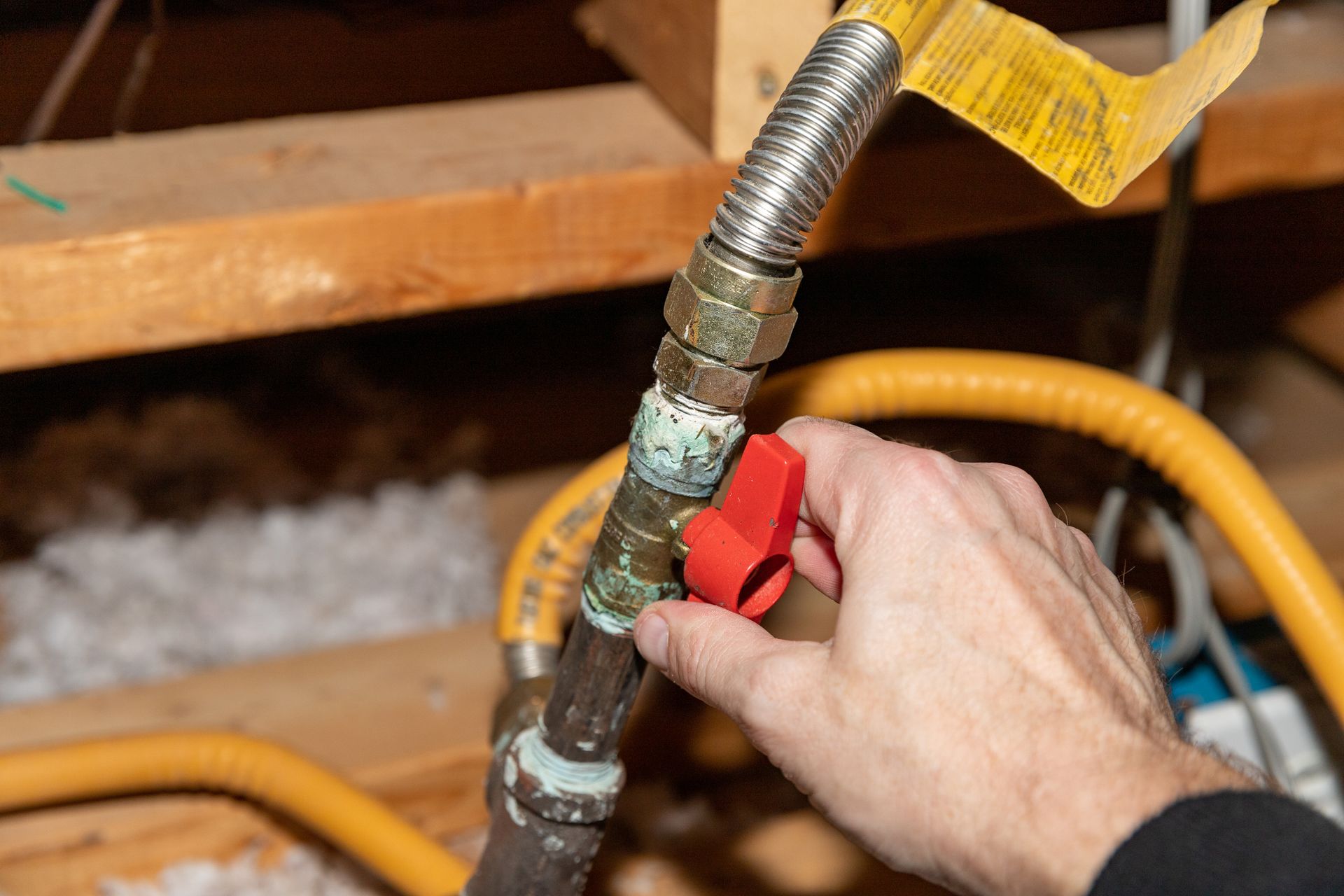
Installation work includes calculating pipe diameter based on total BTU load and run distance, running black iron or CSST flexible piping through walls or crawl spaces, installing shutoff valves at each appliance, and pressure-testing all connections with soap solution or electronic leak detection before allowing gas flow. Repairs address corrosion on older threaded connections, damaged pipe sections, or improper installations that fail to meet current safety standards.
Schedule gas line service to support your appliance installation or address concerns with existing piping.
What Changes After Gas Line Installation Completes
New installations deliver adequate gas volume so your range burners reach full heat output, tankless water heaters fire at rated capacity, and furnaces or boilers operate without flame rollout or incomplete combustion. The piping includes properly rated shutoff valves within six feet of each appliance, flexible connectors that prevent stress on connections, and sediment traps that catch debris before it reaches appliance controls.
After installation or repair completes, appliances receive consistent gas pressure without fluctuations that cause pilot lights to go out or burners to burn yellow instead of blue. You'll notice no gas odor around connections or appliances, valves that turn smoothly without leaking when closed, and equipment that operates at manufacturer specifications without the reduced performance caused by undersized supply lines.
Testing includes pressurizing the new lines to check for leaks before connecting appliances, verifying proper pressure at the appliance location matches manufacturer requirements, and documenting all work for permit inspection where required. Repairs may require replacing entire sections when corrosion or mechanical damage compromises pipe wall thickness beyond safe operating margins.
Answers to Frequent Service Questions
Gas line work involves strict safety protocols and sizing calculations that affect appliance performance. These answers clarify the installation and repair process.
What determines gas line pipe size?
The calculation accounts for total BTU demand of all appliances on the line, distance from the meter to the farthest appliance, and allowable pressure drop to ensure adequate volume reaches each device without restricting flow or reducing operating pressure below manufacturer specifications.
How are gas lines tested for leaks in the Pagosa Springs area?
After installation, the line is pressurized with air or nitrogen above operating pressure, isolated from the meter, and monitored for pressure drop over a specified period, then each joint is tested with leak detection solution that bubbles when gas escapes, ensuring system integrity before appliances connect.
When do gas lines require replacement versus repair?
Widespread corrosion on threaded black iron pipes, mechanical damage that compromises pipe walls, undersized piping that restricts appliance performance, or piping that fails to meet current code standards all justify replacement rather than attempting repairs on compromised sections.
Why does gas line installation require careful sizing?
Undersized pipes create velocity problems that reduce pressure at appliances, preventing equipment from reaching rated output and causing incomplete combustion, while proper sizing maintains adequate volume and pressure throughout the system even when multiple appliances operate simultaneously.
What safety measures apply to residential gas line work?
All installations must include accessible shutoff valves, sediment traps before appliance connections, proper support spacing to prevent sagging, protection through walls and floors, pressure testing before use, and compliance with local codes governing pipe materials and installation methods.
JC Plumbing & Boiler Solutions handles gas line projects with attention to safety standards and proper system sizing. Arrange a consultation to discuss your appliance installation needs or existing line concerns.